
Ultimate Almond Cake Recipe

Almond cakes have long been cherished for their moist texture, nutty aroma, and delicate sweetness.
The subtle yet distinct flavor of almonds, combined with soft, tender cake layers, makes almond cake a beloved treat across cultures and celebrations.
This guide offers a detailed, step-by-step recipe along with essential tips, ingredient insights, serving ideas, and storage advice — everything you need to master the art of baking an unforgettable almond cake.
Ingredients Checklist
Creating a perfect almond cake begins with selecting high-quality ingredients. The balance of moisture, texture, and almond flavor depends on each component.
Essential Ingredients
-
Unsalted Butter: 226g (2 sticks), softened to room temperature
-
Cream Cheese: 452g (16 oz, two 8-oz packages), softened for smooth frosting
-
Almond Extract: 2 teaspoons, for authentic almond aroma
-
Cake Flour: 240g (approximately 2 cups), provides tender crumb
-
Almond Flour: 120g (about 1 cup), finely ground for moistness and richness
-
Granulated Sugar: 200g (1 cup), for sweetness and structure
-
Eggs: 4 large, room temperature for proper emulsification
-
Buttermilk: 120ml (½ cup), adds moisture and tenderizes the crumb
-
Baking Powder: 2 teaspoons, for leavening
-
Salt: ½ teaspoon, enhances flavors
Optional Enhancements
-
Finely Chopped Almonds: for texture and decoration
-
Sliced Almonds: toasted, for garnish
-
Vanilla Extract: 1 teaspoon, for flavor complexity
-
Lemon or Orange Zest: 1 teaspoon, to brighten the flavor profile
-
Powdered Sugar: for dusting
-
Honey or Maple Syrup: as natural sweetener alternatives
-
Gluten-Free Flour Blend: to accommodate dietary restrictions (substitute cake flour)
Equipment Checklist
-
Mixing bowls (various sizes)
-
Electric mixer or stand mixer
-
Measuring cups and spoons
-
8-inch round cake pans (2)
-
Parchment paper
-
Cooling racks
-
Offset spatula or butter knife for frosting
-
Sifter for dry ingredients
-
Whisk or fork
Step-by-Step Instructions
1. Prepare Your Pans and Preheat Oven
Preheat the oven to 350°F (175°C). Grease two 8-inch round cake pans thoroughly and line the bottoms with parchment paper to prevent sticking.
2. Mix Dry Ingredients
Sift together cake flour, almond flour, baking powder, and salt into a bowl. This ensures an even distribution of leavening agents and a light texture.
3. Cream Butter and Sugar
In a large bowl, beat the softened butter and granulated sugar with an electric mixer on medium speed until pale, fluffy, and creamy (about 3-4 minutes). This aerates the mixture for a tender crumb.
4. Add Eggs and Extracts
Add eggs one at a time, beating well after each addition. Mix in almond extract (and vanilla extract if using). Ensure the batter is smooth and uniform.
5. Incorporate Dry and Wet Ingredients
Alternate adding the dry flour mixture and buttermilk to the creamed batter in three parts, beginning and ending with the dry ingredients. Mix on low speed just until combined to avoid overmixing, which can cause toughness.
6. Pour and Bake
Divide the batter evenly between the prepared pans and smooth the tops with a spatula. Bake for 30-35 minutes, or until a toothpick inserted in the center comes out clean. Baking times may vary slightly depending on oven accuracy and pan material.
7. Cool Cakes
Allow cakes to cool in pans for 10 minutes, then run a knife around edges and invert onto cooling racks. Peel off parchment paper and let cool completely before frosting.
Tips for Perfect Almond Cake
-
Use Fresh Almond Flour: Stale almond flour can impart a bitter taste and dry texture. Always check freshness before use.
-
Room Temperature Ingredients: Ensure eggs, butter, and cream cheese are at room temperature for better batter consistency and easier mixing.
-
Avoid Overmixing: Once the flour is added, mix only until just combined to prevent dense cake.
-
To Toast Almonds: Toast sliced or chopped almonds in a dry skillet over medium heat for 3-5 minutes, stirring frequently until golden and fragrant. Cool before using as garnish.
-
Almond Paste Addition: For an extra rich almond flavor, fold in 50g of almond paste softened into small pieces into the batter.
-
Check Oven Temperature: Use an oven thermometer for accurate baking conditions.
Serving Suggestions
Almond cake is versatile and pairs well with many accompaniments:
-
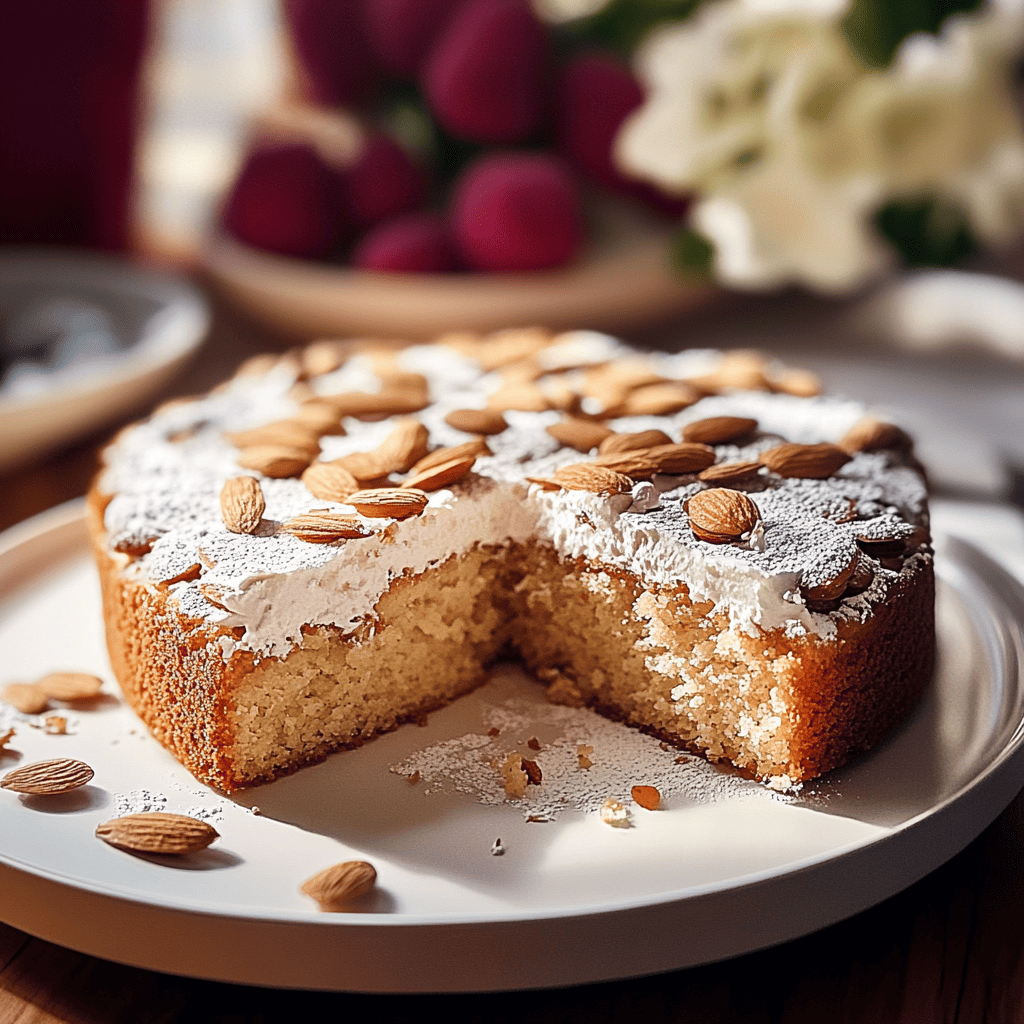
Frosting Options: Cream cheese frosting (classic choice), almond buttercream, or whipped cream with a sprinkle of toasted almonds.
-
Fresh Fruits: Serve with berries (blueberries, raspberries, strawberries) for a refreshing contrast.
-
Sauces: Drizzle with caramel sauce, chocolate ganache, or fruit coulis (e.g., raspberry or apricot).
-
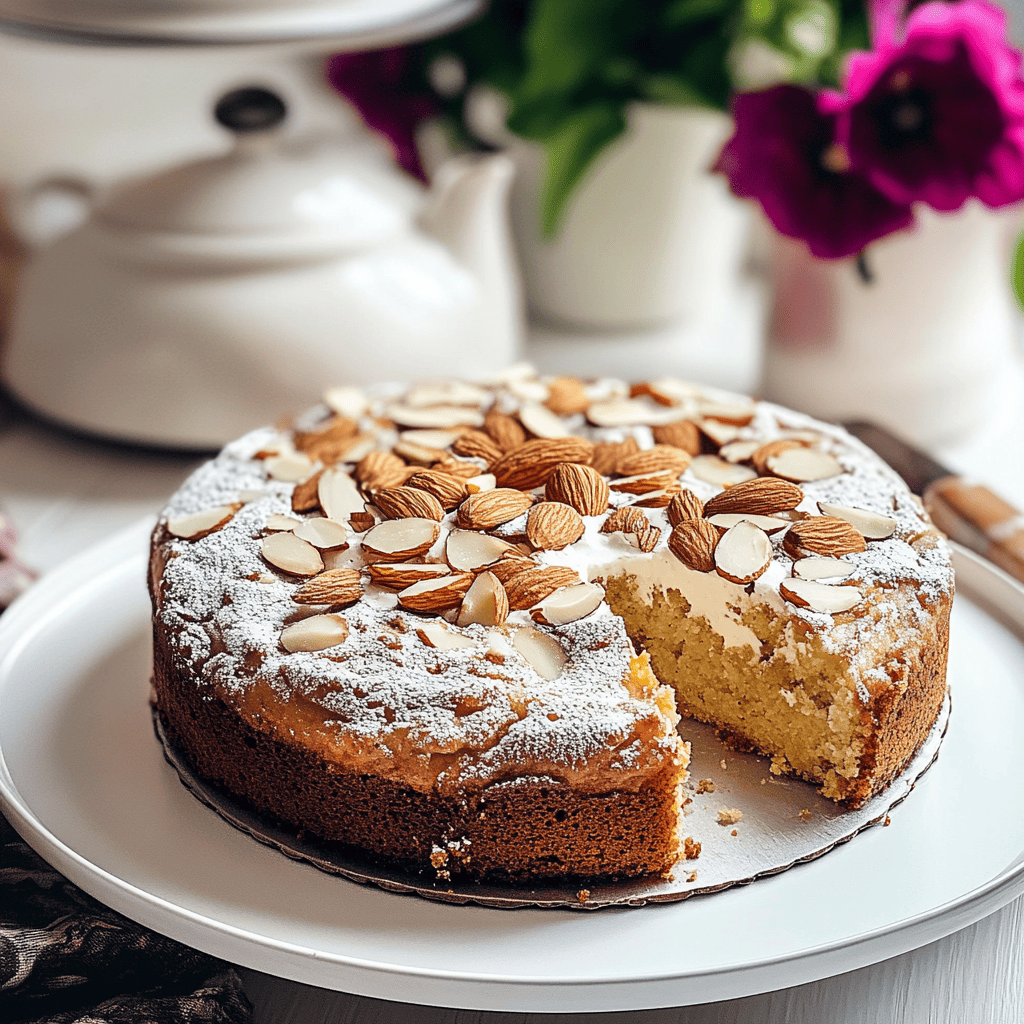
Dusting: A light dusting of powdered sugar adds elegance without overpowering flavor.
-
Presentation: Garnish with whole or sliced toasted almonds along the cake edges or on top for texture and visual appeal.
Pair almond cake with a cup of tea, coffee, or dessert wine to enhance the tasting experience.
Final Thoughts
Mastering the almond cake recipe offers a delightful gateway into nutty, moist cakes that can be customized to any occasion. The key lies in balancing the ingredients to achieve moistness without heaviness and enhancing the natural almond flavor with quality extracts and flours.
From selecting the right ingredients to executing careful baking techniques, each step contributes to a cake that’s both rich in taste and elegant in presentation.
With the tips and variations provided here, you can confidently experiment with flavors and decorations to create your signature almond cake — whether for festive celebrations or everyday indulgence.
Proper storage methods ensure your cake remains fresh, allowing you to enjoy this delicious dessert days after baking. Elevate your baking repertoire with this comprehensive guide and enjoy every slice of almond-infused delight!

Sabrina Khan Tisha is the creative force behind Dessert Diary, a recipe blog celebrating desserts, cakes, cupcakes, muffins, and sweet treats. With a passion for baking, she shares simple, delicious recipes and tips to inspire home bakers everywhere.