
Italian Sponge Cake Recipe (Pan di Spagna)
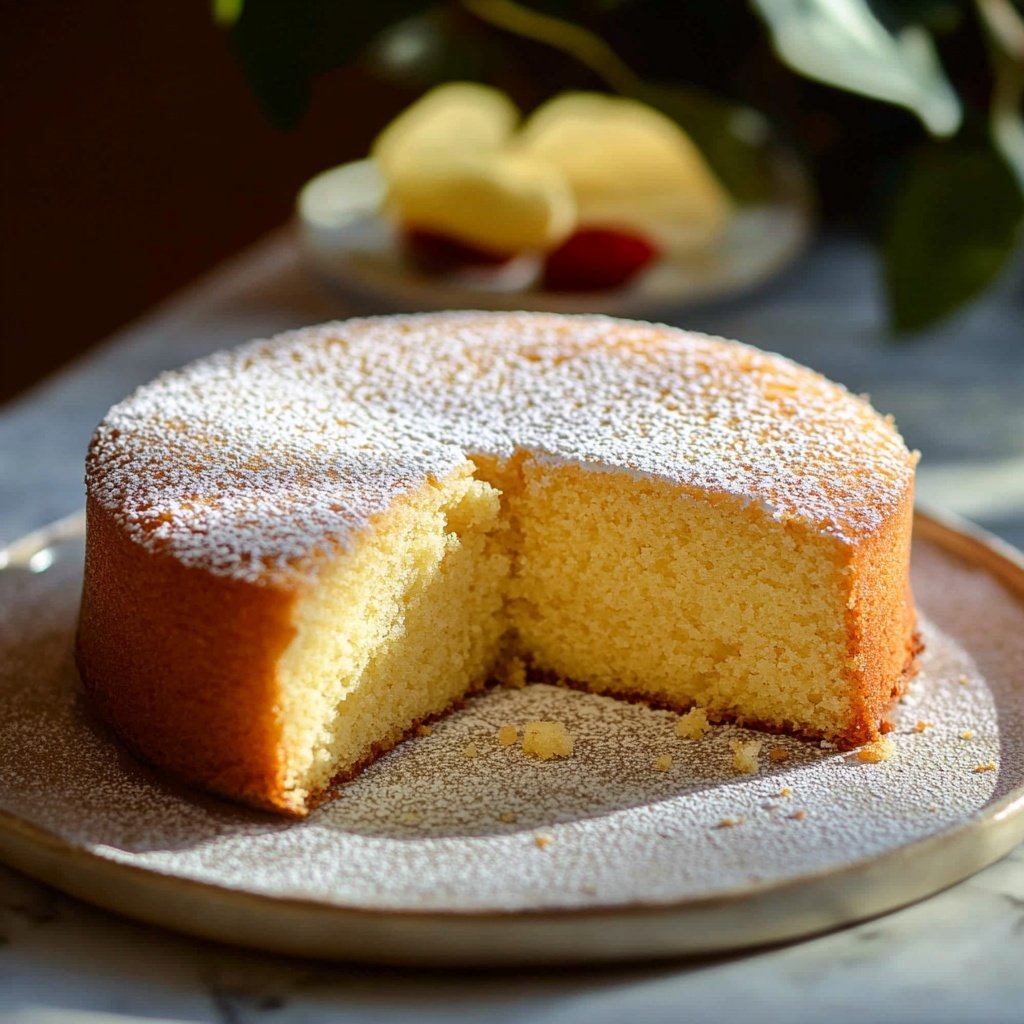
Italian sponge cake, known as Pan di Spagna, is a pillar of classic European baking and the backbone of countless beloved desserts. Unlike dense butter cakes, this sponge is prized for its astonishingly light, airy crumb and subtle sweetness.
Pan di Spagna is a testament to the Italian mastery of simple ingredients and precise technique—perfect as a stand-alone treat or as the base for layered tortes, trifles, and tiramisu.
Understanding its history, nuances, and versatility will elevate your home baking. With clear instructions, pro tips, and creative variations, this guide ensures every slice is a celebration of Italian tradition.
Ingredients Checklist
Choosing the right ingredients is vital for a perfect Pan di Spagna. Organize and prepare everything in advance for best results.
Essential Ingredients:
-
5 large eggs, room temperature, separated
-
1 cup (200g) granulated sugar
-
1 cup (125g) cake flour, sifted (or all-purpose flour for a firmer texture)
-
1 teaspoon pure vanilla extract or the seeds from ½ vanilla bean
-
¼ teaspoon fine salt
-
Butter or oil (for greasing the pan)
-
Parchment paper
Traditional Notes:
-
No baking powder or chemical leaveners are used in authentic Pan di Spagna. All rise comes from expertly whipped eggs.
-
For a more delicate cake, use cake flour. For a sturdier base for soaked desserts, use all-purpose flour.
-
Room temperature eggs are essential for maximum volume.
Optional Enhancements:
-
1 tablespoon finely grated lemon or orange zest (for flavor)
-
2 tablespoons cornstarch (replace equal part flour for extra tenderness)
-
1–2 tablespoons almond flour (for subtle nutty depth)
-
For chocolate sponge: substitute 2 tablespoons flour with unsweetened cocoa powder

Step-by-Step Instructions
Precision is everything with Italian sponge cake. Each step builds the foundation for a high, light, and even crumb.
1. Prepare the Pan and Oven (5 minutes)
-
Preheat oven to 350°F (175°C). Position a rack in the center.
-
Butter and flour (or line) an 8- or 9-inch round cake pan with parchment paper on the base. Do not grease the sides—this helps the cake climb and stay tall.
2. Separate and Whip Eggs (10 minutes)
-
Carefully separate egg whites from yolks, ensuring no yolk contaminates the whites.
-
In a large, impeccably clean bowl, whip egg whites with salt on medium speed until foamy. Gradually add half the sugar and beat to stiff but glossy peaks.
3. Beat Yolks and Sugar (5 minutes)
-
In a separate bowl, beat egg yolks and remaining sugar until thick, pale, and forms a ‘ribbon’ when lifted (about 5–7 minutes). Add vanilla and zest if using.
4. Combine Yolks and Whites
-
Using a large spatula, gently fold the yolk mixture into the whites. Work in three additions, maintaining as much air as possible.
5. Sift and Fold in Flour
-
Sift flour (and cornstarch if using) over the egg mixture in thirds. Very gently fold each addition in with broad, sweeping motions, rotating the bowl. Do not overmix; stop as soon as no dry flour is visible.
6. Bake (25–30 minutes)
-
Immediately pour the batter into the prepared pan, leveling the top.
-
Bake in the preheated oven for 25–30 minutes. The cake should be golden, set, and spring back when lightly touched. A skewer should come out clean.
7. Cooling and Releasing
-
Cool the cake in the pan on a rack for 10 minutes. Run a thin knife around the edge, invert onto a rack, peel off parchment, and allow to cool completely.
Pro Tip: For taller, more even layers, cool the cake upside down.
Tips for Perfect Results
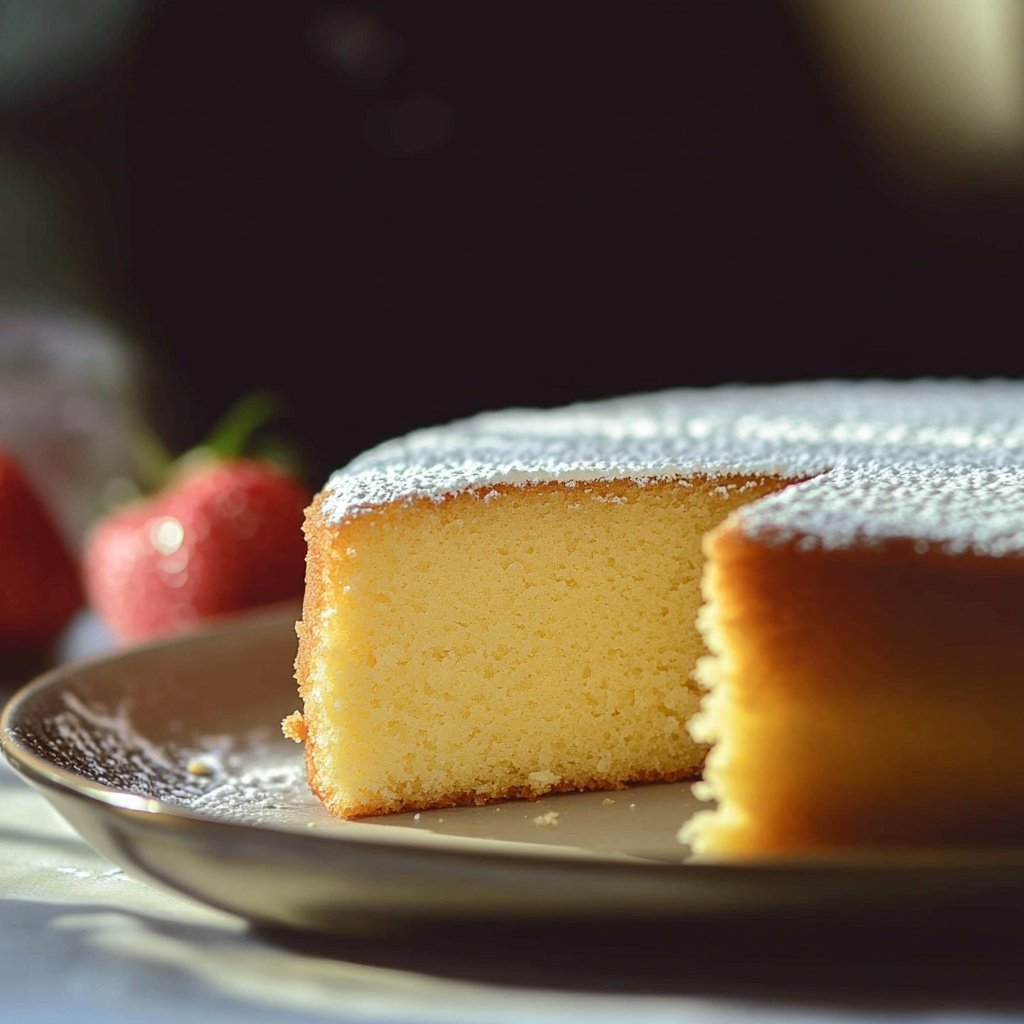
Mastering Pan di Spagna is all about the little things. These insights ensure professional-quality results every time.
-
Use Room Temperature Eggs: Cold eggs won’t whip to maximum volume.
-
No Chemical Leaveners: Authentic Italian sponge relies on aeration alone.
-
Ultra-Clean Bowl: Even a drop of fat will hinder the egg whites from reaching stiff peaks.
-
Fold with Care: Use a wide spatula or balloon whisk and turn the bowl as you fold. Work quickly but gently.
-
Do Not Open Oven Door: Sudden temperature drops can cause collapse.
-
Don’t Overbake: Start checking at 23 minutes. Cake is done when it springs back in the center.
-
Bake Immediately: Once the batter is mixed, get it in the oven to prevent deflation.
-
Troubleshooting:
-
Sponge deflates after baking: Over-mixed or overbaked, or oven door opened too soon.
-
Dense cake: Not enough air whipped into eggs, or folding deflated the batter.
-
Dry sponge: Overbaked or flour not properly sifted.
-
Serving Suggestions
Italian sponge cake is a blank canvas, ready for endless transformation. Here are creative and classic ways to enjoy it.
Simple & Classic:
-
Lightly dust with powdered sugar and serve with espresso.
-
Top with whipped cream and fresh seasonal berries.
Layered Creations:
-
Split horizontally and fill with vanilla pastry cream, lemon curd, or ricotta mousse.
-
Brush layers with espresso and fill with mascarpone for homemade tiramisu.
-
Layer with whipped cream and macerated strawberries for a classic Italian ‘strawberry shortcake’.
Elegant Desserts:
-
Cut into cubes and layer in a glass with custard, fruit, and liqueur for a trifle.
-
Roll into a log with fruit preserves for a festive roulade.
Pairing Ideas:
-
Enjoy with a sweet Italian wine (Vin Santo), dessert liqueur, or a cup of strong Italian coffee.
Final Thoughts
Italian sponge cake, or Pan di Spagna, is more than just a dessert base—it’s a celebration of skill, simplicity, and tradition.
Its ethereal crumb and subtle flavor make it endlessly adaptable, whether dressed up for special occasions or enjoyed plain with a dusting of sugar.
By focusing on technique and high-quality ingredients, you’ll create a sponge cake that’s not only true to Italian roots but also tailored to your tastes and needs. Experiment with flavors, fillings, and shapes, and soon, you’ll have a go-to recipe cherished for years to come.

Sabrina Khan Tisha is the creative force behind Dessert Diary, a recipe blog celebrating desserts, cakes, cupcakes, muffins, and sweet treats. With a passion for baking, she shares simple, delicious recipes and tips to inspire home bakers everywhere.