
Almond Cardamom Cake

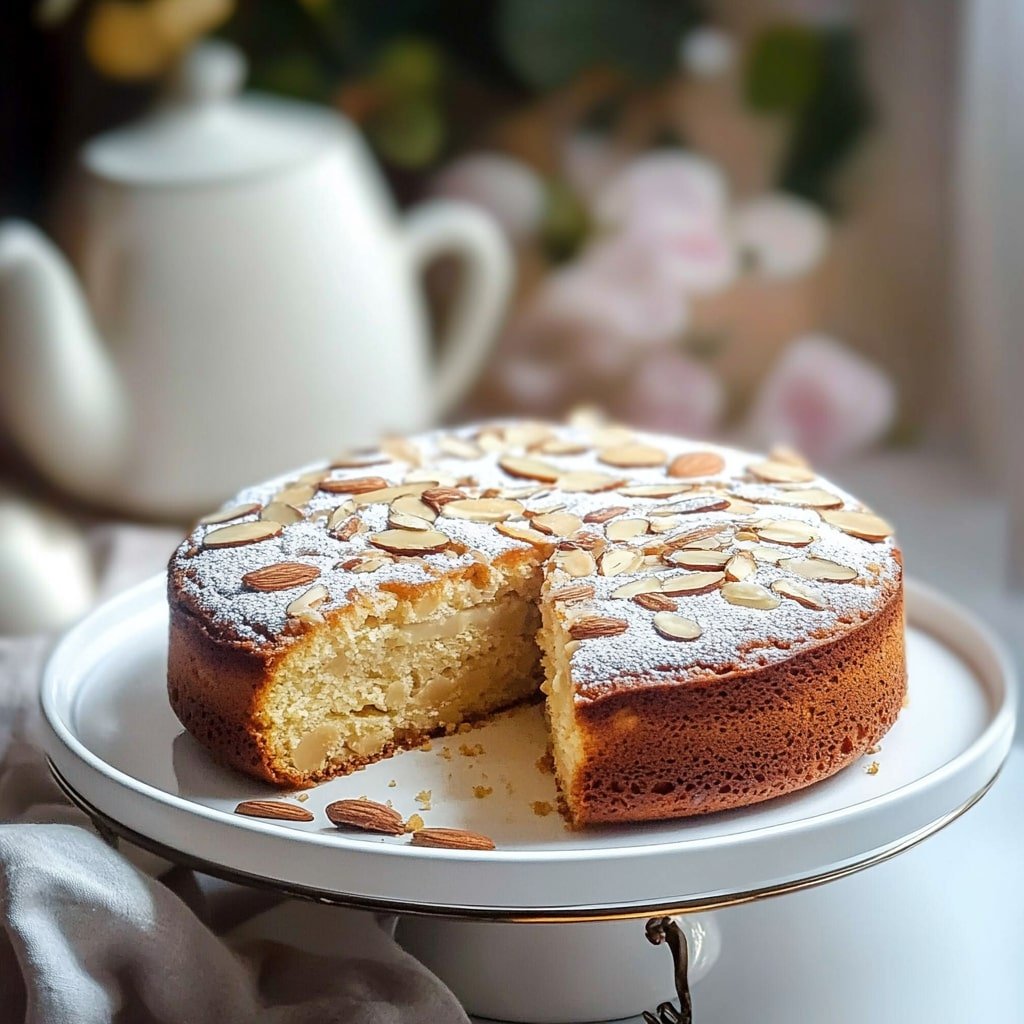
Almond cardamom cake is a beautiful marriage of nutty richness and aromatic warmth, showcasing the subtle complexity of two beloved ingredients — almonds and cardamom.
This cake has roots in Middle Eastern and South Asian cuisines, where these flavors have long been celebrated for their versatility and depth.
Unlike many cakes that rely heavily on butter or oil for moisture, this recipe achieves a tender crumb using yogurt or buttermilk, enhancing its moistness and lending a gentle tang that complements the sweetness.
Core Ingredients
-
1 cup almond flour (blanched): Adds moistness and a rich, nutty flavor.
-
1 cup all-purpose flour: Provides structure.
-
1 teaspoon baking powder: Helps the cake rise.
-
1/2 teaspoon baking soda: Works with yogurt/buttermilk to lighten the texture.
-
1/2 teaspoon salt: Balances sweetness and enhances flavor.
-
1/2 cup unsalted butter, softened: Adds richness and tenderness.
-
1 cup granulated sugar: Sweetens the cake.
-
3 large eggs: Bind and enrich the batter.
-
1 cup plain yogurt or buttermilk: Adds moisture and a slight tang.
-
1 teaspoon vanilla extract: Enhances the overall flavor.
-
1 teaspoon ground cardamom: Provides the cake’s signature warm, citrusy aroma.
Optional Flavor Enhancers
-
Orange zest: Adds a fresh, citrusy brightness.
-
Saffron strands (soaked in warm milk): For a subtle floral luxury.
-
Rosewater (1 teaspoon): Introduces a delicate floral note common in Middle Eastern desserts.
-
Slivered almonds or chopped pistachios: For garnish and texture contrast.
Step-by-Step Instructions
Preparation
-
Preheat your oven to 350°F (175°C). Grease and lightly flour a 9-inch round cake pan or line it with parchment paper.
-
Combine dry ingredients: In a medium bowl, sift together the almond flour, all-purpose flour, baking powder, baking soda, salt, and ground cardamom. Sifting helps aerate the mixture and prevent lumps.
-
Cream butter and sugar: In a large mixing bowl, beat the softened butter and sugar together using a hand or stand mixer until the mixture is pale, light, and fluffy. This process incorporates air, essential for a tender cake crumb.
-
Add eggs: Incorporate the eggs one at a time, beating well after each addition to ensure full integration.
-
Flavor the batter: Mix in the vanilla extract. If using orange zest, rosewater, or soaked saffron, add them now to infuse the batter with complex aroma layers.
-
Incorporate dry ingredients and yogurt: Alternately add the dry ingredients and yogurt (or buttermilk) in three additions, beginning and ending with the dry mix. Mix gently after each addition just until combined to avoid overworking the batter, which can cause toughness.
Baking
-
Pour the batter into the prepared cake pan, smoothing the top with a spatula.
-
Bake for 30–35 minutes, or until a toothpick inserted in the center comes out clean. Oven times may vary, so start checking at 28 minutes.
-
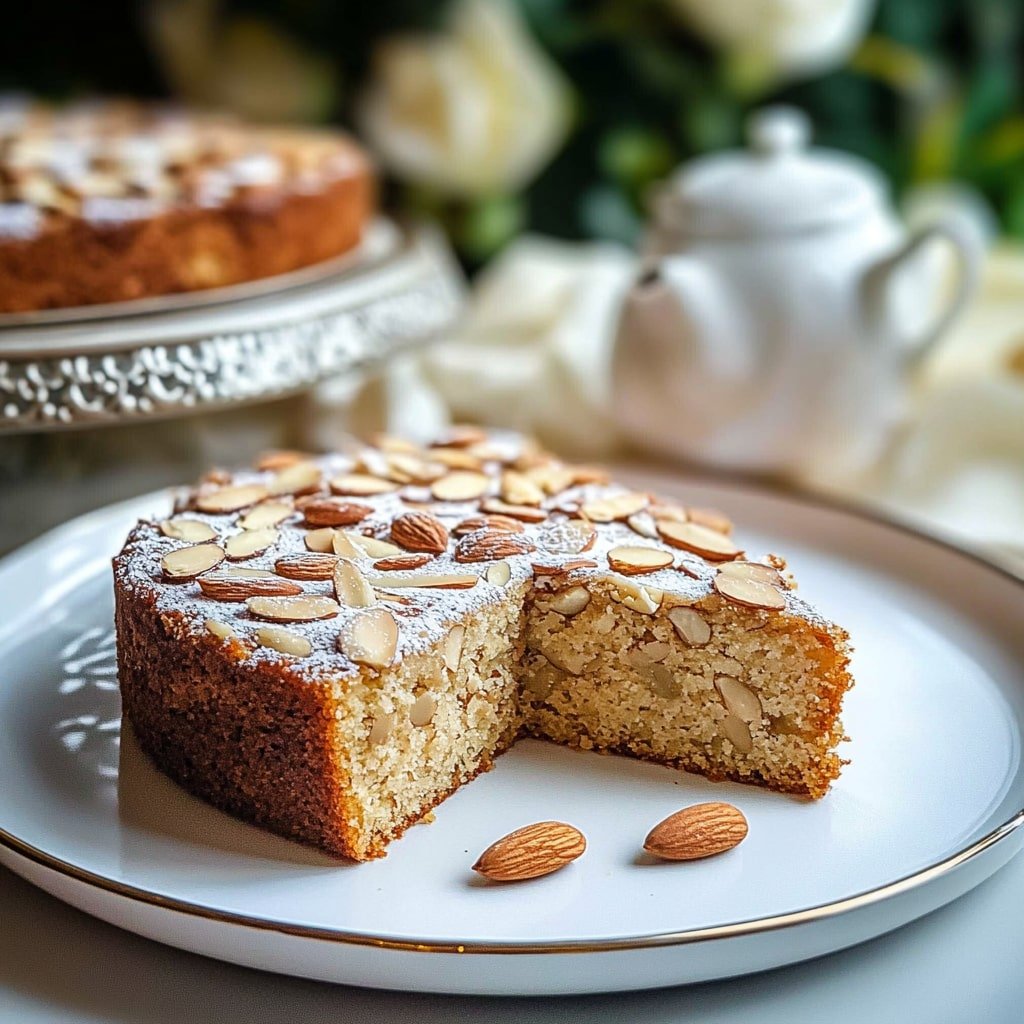
Cool the cake: Let the cake cool in the pan for 10 minutes before transferring it to a wire rack to cool completely. This prevents sogginess from steam condensation.
Tips for Perfect Results
-
Use fresh almond flour: Store-bought almond flour can sometimes be stale or oily. Fresh almond flour will provide better flavor and texture.
-
Room temperature ingredients: Ensure butter, eggs, and yogurt are at room temperature to blend smoothly and trap air effectively.
-
Don’t overmix: Once the dry ingredients are added, stir gently to avoid gluten development, which can make the cake dense.
-
Test with toothpick: Avoid overbaking; check the cake’s doneness a few minutes before the timer to keep it moist.
-
Customize your spices: Adjust the amount of cardamom to taste, or combine it with cinnamon or nutmeg for a spice blend twist.
-
Optional soaking syrup: For extra moistness and flavor, brush the baked cake with a simple syrup infused with orange blossom water or cardamom before frosting.
Serving Suggestions
-
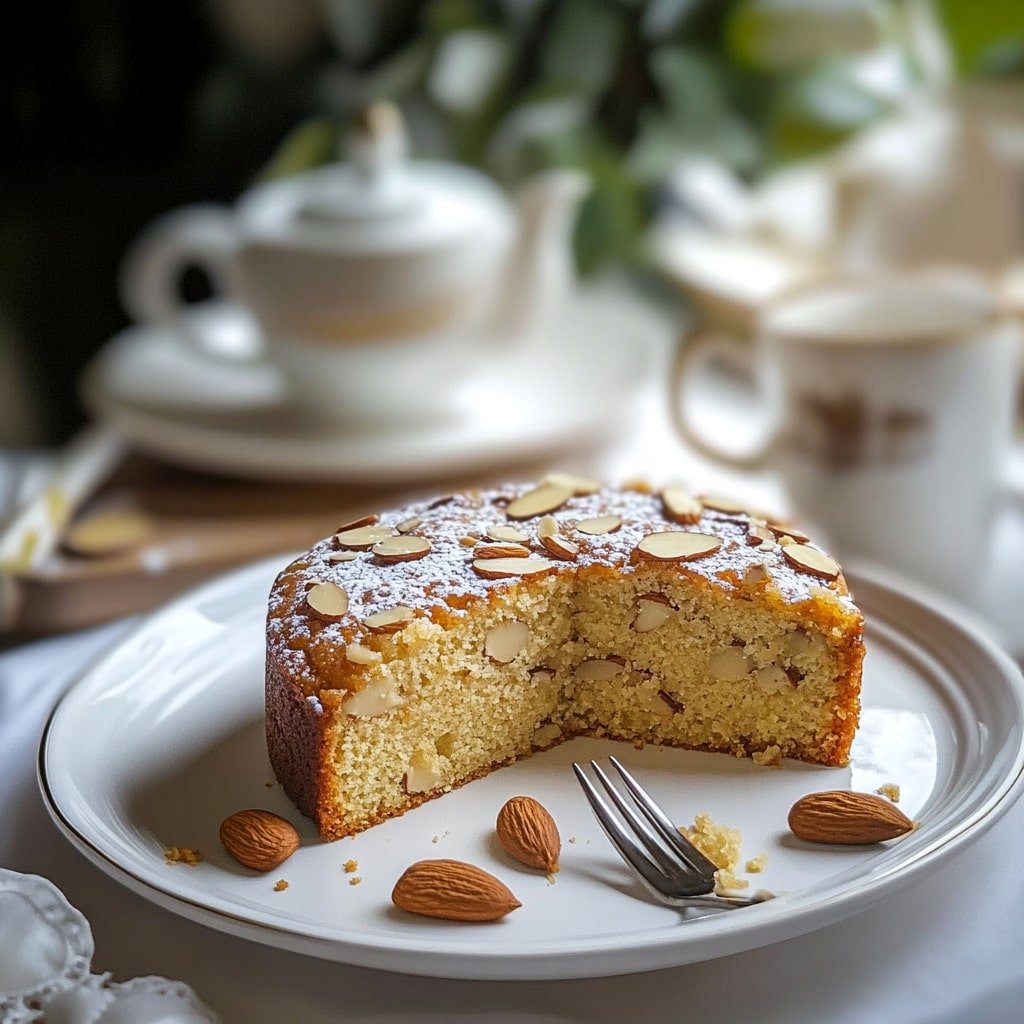
Simple dusting: Sprinkle powdered sugar or ground cardamom on top for an elegant finish.
-
Nut topping: Garnish with toasted slivered almonds or chopped pistachios to add texture and visual appeal.
-
Pair with beverages: Serve alongside chai tea, strong coffee, or a mildly spiced hot chocolate to complement the warm flavors.
-
Frosting options: The cake pairs well with cream cheese frosting, whipped mascarpone, or a light cardamom glaze made by mixing powdered sugar, milk, and cardamom.
-
Accompaniments: Fresh berries or a dollop of whipped cream can add brightness and balance.
Final Thoughts
This almond cardamom cake stands out not only because of its rich cultural heritage but also due to the balance it strikes between nutty texture and aromatic warmth. By carefully selecting fresh ingredients and following the precise steps, you can create a cake that is moist, flavorful, and elegantly spiced.
The flexibility of this recipe allows you to experiment with optional ingredients such as saffron, rosewater, or orange zest, giving you a chance to make the cake truly your own. Its pairing potential with teas and coffees makes it ideal for casual gatherings or festive celebrations alike.
Whether served as a comforting afternoon treat or a stunning centerpiece dessert, this cake delivers a sophisticated taste experience that honors the culinary traditions from which it draws inspiration.

Sabrina Khan Tisha is the creative force behind Dessert Diary, a recipe blog celebrating desserts, cakes, cupcakes, muffins, and sweet treats. With a passion for baking, she shares simple, delicious recipes and tips to inspire home bakers everywhere.