
Indian Milk Cake Recipe
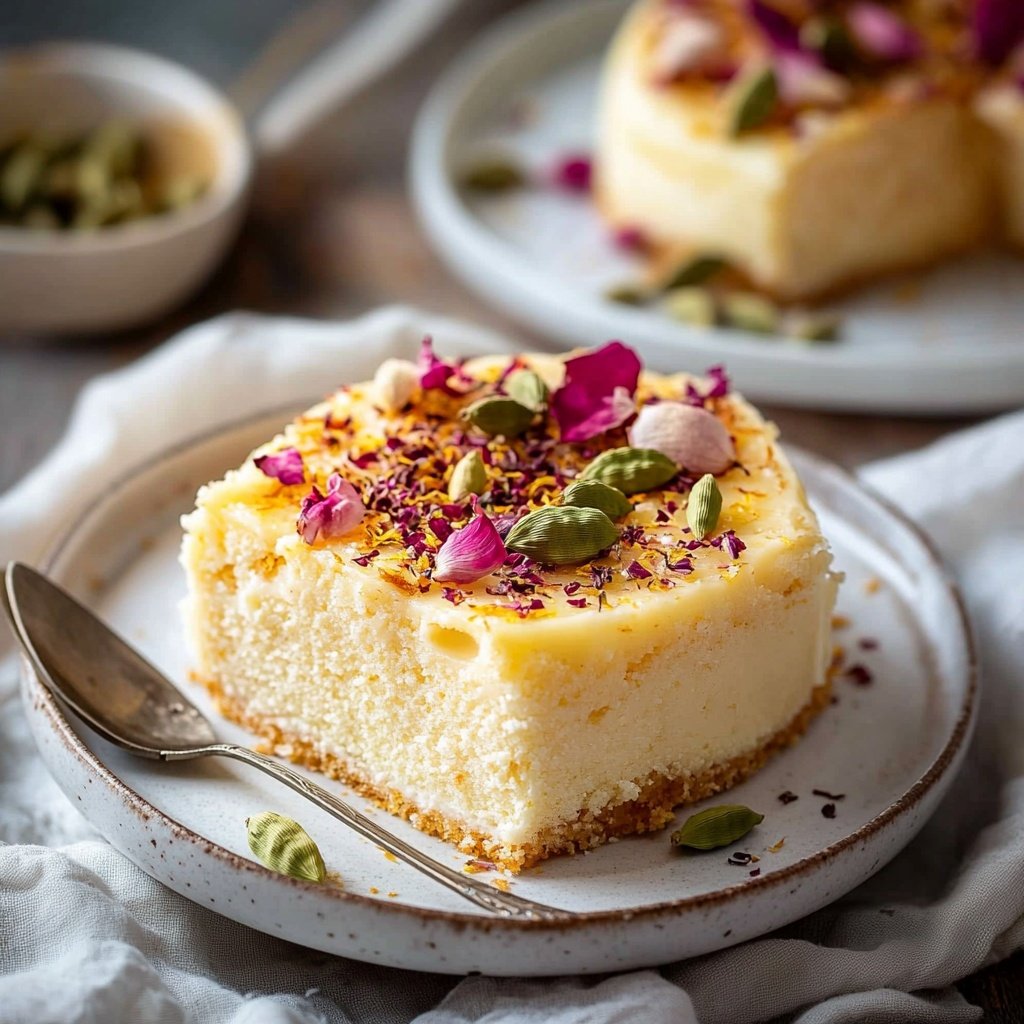
Indian Milk Cake—known as Kalakand or Alwar ka Mawa—is a quintessential Indian sweet that transforms humble milk into a luscious, grainy confection perfumed with cardamom and saffron.
Slow-cooked to a fudge-like consistency, then enriched with ghee and crowned with nuts, this dessert is a festival favorite and a beloved treat for special occasions.
Its subtle caramel notes, creamy texture, and aromatic finish make every bite both nostalgic and celebratory. If you’re looking for a show-stopping homemade mithai that highlights the richness of Indian dairy traditions, this recipe is a must-try.
Ingredients Checklist
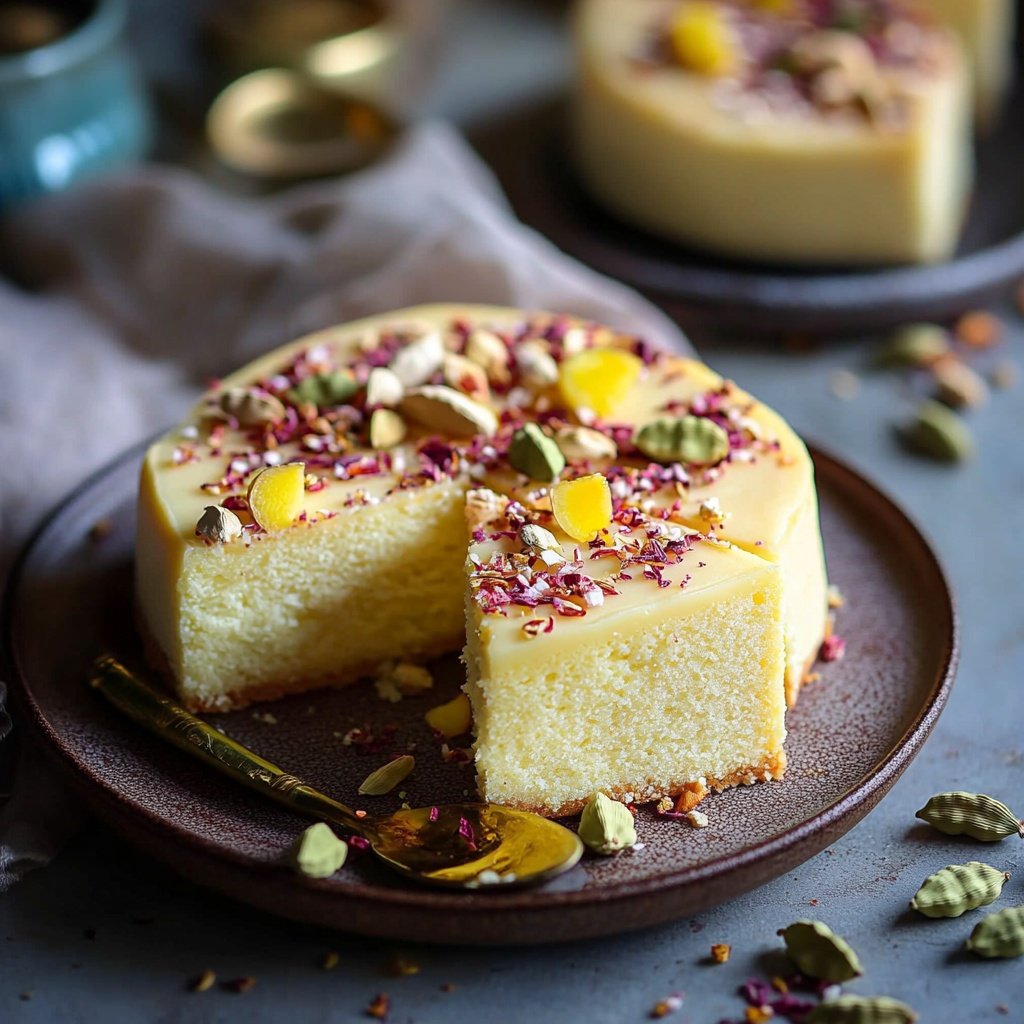
To achieve the perfect texture and authentic flavor in Indian Milk Cake, precise ingredients are key. Here’s what you need:
Essential Ingredients
-
1 gallon (3.8 L) whole milk
Full-fat milk produces the best, creamiest results -
1 cup (200g) granulated sugar
Adjust to taste, especially if using sweetened condensed milk -
1/4 cup (60g) ghee (clarified butter)
Homemade or store-bought, for flavor and sheen -
1/2 teaspoon cardamom powder (freshly ground if possible)
-
Pinch of saffron threads
Soak in 2 tsp warm milk to release color and aroma -
1–2 tablespoons lemon juice or white vinegar
For curdling, if a granular, burfi-like texture is desired -
2 tablespoons chopped nuts (pistachios, almonds, or cashews)
Toasted for extra crunch and flavor -
1 teaspoon rose water or kewra water (optional)
Adds a subtle floral note for authentic finish -
Parchment paper or ghee for greasing
Ingredient Notes
-
For a richer flavor, use a splash of evaporated milk in place of a small portion of whole milk.
-
Those short on time can substitute part of the milk with fresh ricotta or paneer to speed up thickening, though the classic method uses only milk.
Step-by-Step Instructions
Mastering Indian Milk Cake is all about patience and attention. Follow these steps for a perfectly textured and aromatic sweet every time.
1. Prepare the Pan
Line a square or rectangular pan with parchment paper, or grease liberally with ghee. This ensures easy release and clean slices.
2. Boil and Reduce the Milk
Pour milk into a large, heavy-bottomed pot or kadhai. Bring to a gentle boil over medium heat, stirring often to prevent sticking and scorching.
3. Curdlize for Texture (Optional)
Once the milk is boiling, add lemon juice or vinegar a teaspoon at a time until the milk just starts to curdle and turns slightly grainy—this gives classic kalakand its signature granular texture. Stir constantly, and don’t let it curdle fully (not like paneer).
4. Simmer and Reduce
Lower the heat and simmer, scraping the sides and bottom regularly. Continue stirring and reducing until the milk thickens to about one-third of its original volume and takes on a pale caramel color.
5. Add Sugar and Flavorings
Add sugar, saffron milk, and cardamom. Stir well; the mixture will loosen as sugar melts, then thicken again as you continue cooking. Add rose water or kewra now, if using.
6. Finish with Ghee
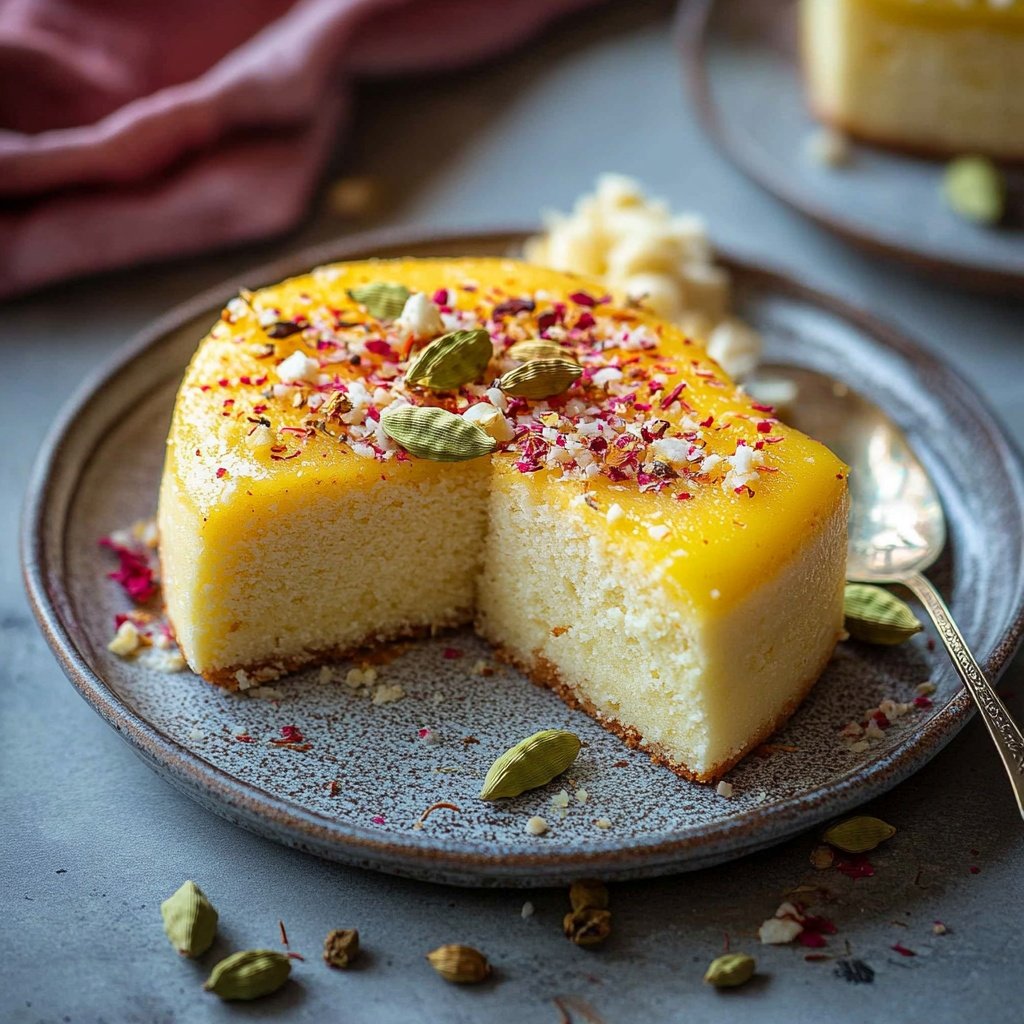
When the mixture is thick, leaves the sides, and looks fudgy (about 90 minutes to 2 hours from the start), add the ghee and stir until glossy and cohesive.
7. Set and Garnish
Pour the hot mixture into the prepared pan. Flatten and smooth the surface with a spatula. Sprinkle toasted nuts and extra saffron strands on top. Press lightly to adhere.
8. Cool and Slice
Let cool at room temperature, then refrigerate for 2–3 hours until firm. Lift from the pan and cut into squares or diamonds with a sharp, greased knife for neat edges.
Tips for Perfect Results
-
Always Use Heavy-Bottomed Cookware: Prevents burning as milk thickens.
-
Patience Is Key: Low, slow simmering ensures the right color and flavor—avoid high heat or rushing.
-
For Ultra-Soft Milk Cake: Use only half the lemon juice or skip entirely for a creamy, non-grainy texture.
-
Mix Well After Adding Sugar: Sugar will briefly loosen the mixture; keep stirring until it comes together again.
-
Ghee Adds Gloss: Don’t skip the finishing ghee—it gives shine and flavor.
-
Test for Doneness: Mixture should come together as a mass and not stick to the sides of the pan.

Serving Suggestions
Elevate your milk cake with creative presentation:
-
Classic: Serve chilled, garnished with extra nuts and saffron.
-
With Rabri: For extra indulgence, drizzle thickened sweetened milk (rabri) over each piece.
-
With Rose Petals or Silver Leaf: Garnish with edible silver leaf (varq) or dried rose petals for a festive touch.
-
Accompany with Chai: Pair with masala chai or cardamom tea for a balanced, warming finish.
-
With Fruit: Serve alongside fresh mango or berries for a fusion twist.
Storage Tips
-
Cool Completely Before Storing: Prevents condensation and sogginess.
-
Refrigerate in Airtight Container: Stays fresh for 5–7 days; flavors deepen after a day.
-
Freeze for Later: Wrap individual pieces tightly and freeze up to 2 months; thaw overnight in the fridge.
-
Slice Just Before Serving: Keeps edges moist and presentation sharp.
Final Thoughts
Indian Milk Cake is the ultimate celebration of patience and simple ingredients transformed. Its creamy, slightly grainy texture and fragrant blend of cardamom and saffron create a luxurious treat steeped in tradition.
Whether for Diwali, Eid, a wedding, or a simple family dessert, this recipe honors heritage and brings joy to every bite. Take your time, follow the steps, and share this authentic homemade mithai with loved ones—the results will always be worth the wait.

Sabrina Khan Tisha is the creative force behind Dessert Diary, a recipe blog celebrating desserts, cakes, cupcakes, muffins, and sweet treats. With a passion for baking, she shares simple, delicious recipes and tips to inspire home bakers everywhere.